The start of the new year is a time for hope that you can do things better in the coming year. Sometimes that to-do list for the start of the year can be overwhelming, but it’s important to start the year off as productively as possible. It can make the rest of the year easier. If you haven’t had a plumber check your system in a while, the new year is a good time for a plumbing inspection.
Plumbing Ready for the Year
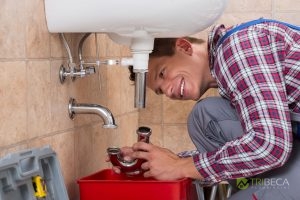
Start the Year with a Plumbing Inspection
Did you have any plumbing mishaps in the past year? Even small ones, like clogs, count as reasons to have your plumbing system evaluated. If you didn’t call a plumber to solve those issues, then you may not have solved them completely. Even if you were lucky enough to be plumbing-problem-free, that doesn’t mean there aren’t plumbing issues waiting to reveal themselves. Stop them before they start, or before they get expensive.
The longer you wait to have even small plumbing problems fixed, the closer they get to becoming large problems. If they grow, you could be facing more expensive solutions. When you call a plumber to fix the small things and inspect your plumbing, you take precautions to prevent major problems, even through the rest of the year. Call a plumber whether you have had plumbing trouble or not. Discuss all concerns with your plumber, including the minor ones that you fixed yourself. Request a drain and pipe cleaning as a preventative method, in addition to the inspection. All this could leave you problem-free this year.
Get your plumbing inspection and start your year off well in Dallas, TX. Call Tribeca Plumbing, Inc. at (214) 402-5454 for all your plumbing needs.
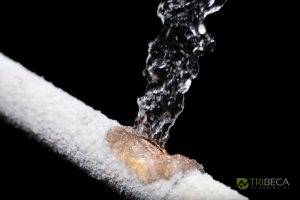
 Plumbing emergencies are a nightmare, and you’re very rarely expecting one to happen. However, when water is gushing all over the floor, you know that every minute matters if you want to prevent long-lasting water damage. Repairing a serious leak is generally above the skill level of your typical homeowner, but that doesn’t mean you can’t protect your home from additional damage while you wait for your emergency plumber to arrive! Below are a few ways you can stop the water from damaging your home and belongings.
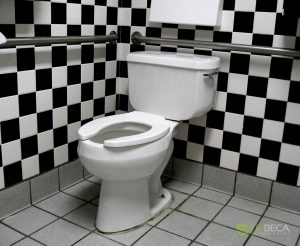 should always be able to count on a toilet flushing properly when you need it to. However, things happen and toilets clog and overflow. Here is what you can do to fix an overflowing toilet:
 When you walk by the water heater, do you hear popping, gurgling, or whistling noises? You should never hear odd noises from your water heater, and this is a sure sign of a problem. Often resulting from the water boiling inside the tank or sediment burning, these problems often signal that your water heater is nearing the end of its life. You should drain and clean the tank to remove any sediment or mineral buildup. Also, check the thermostat to be sure it is not set too high.